
Watch the plain.
Forecast the parcel.
Spot where the plain departs from its usual season, open the parcel behind the signal and read its harvest as a likely range.
Parcel 27, likely range
Zoom in
on the signal.
One season, read at four scales. Each step keeps the view before it, so the parcel never loses its landscape.
- SownAndika
- Nitrogen top-dressingAndika
- Water turn 3 of 4Andika
- 3 field photosAndika
- Canopy below its usualSentinel-2
- 01
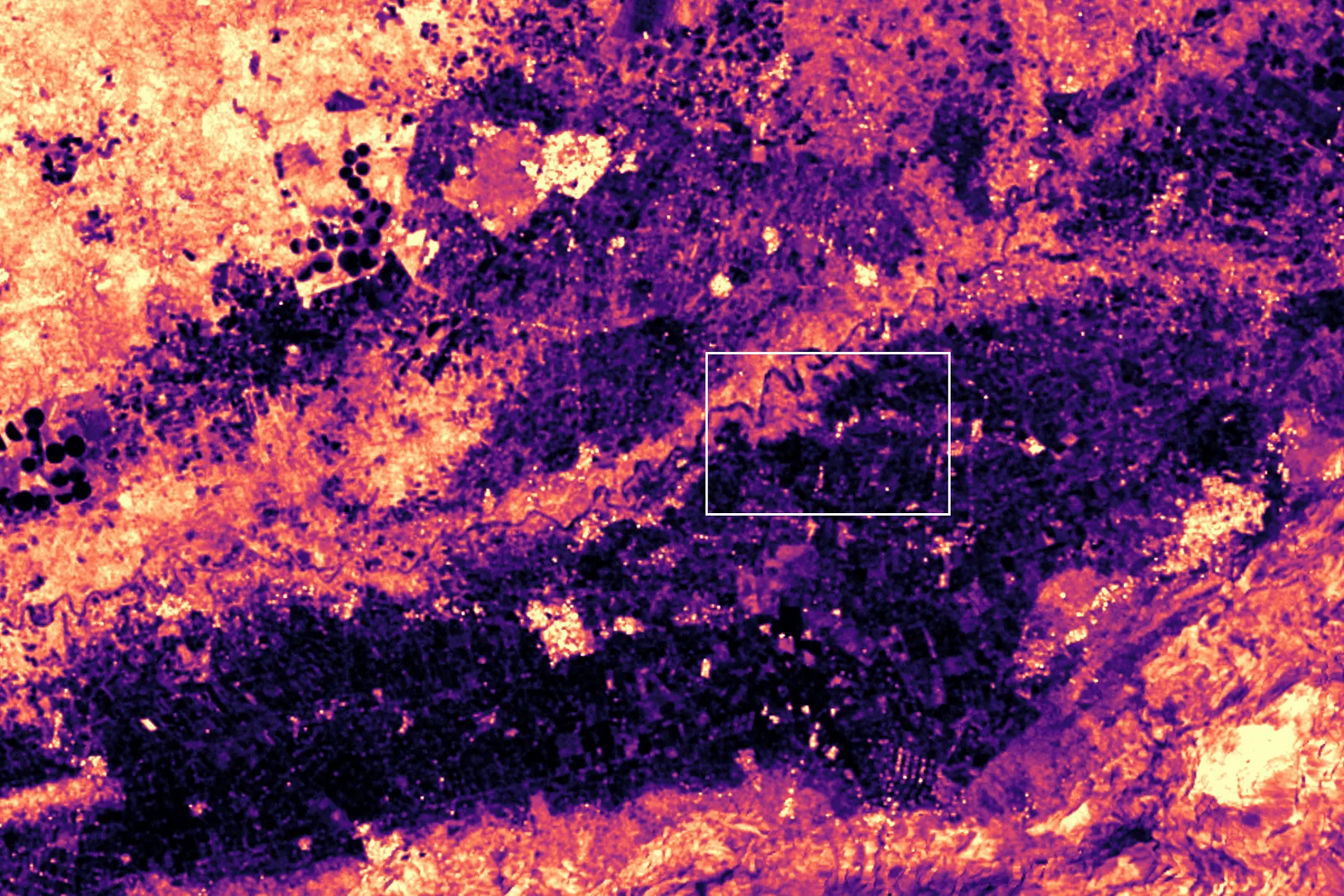
Start with the whole plain.
The regional view spans 66 by 44 km of irrigated farmland. Crop Pulse sets the season against the usual pattern for the same week and marks the zones that drift from it, with the date of the last clear image.
- 02
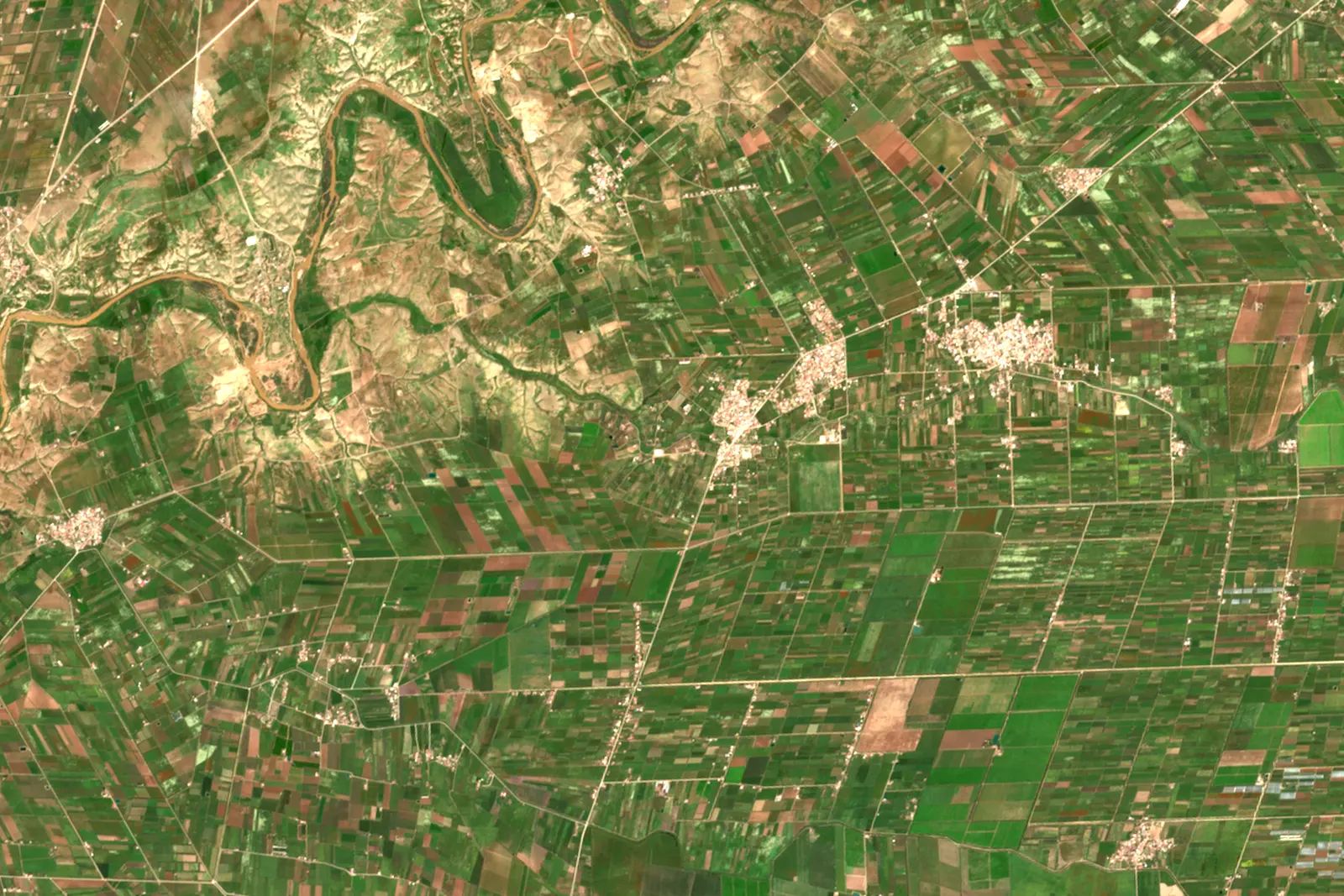
Open the flagged window.
The marked zone opens at field scale: 12 by 8 km where single parcels can be told apart. The ones furthest from their usual range come first.
- 03
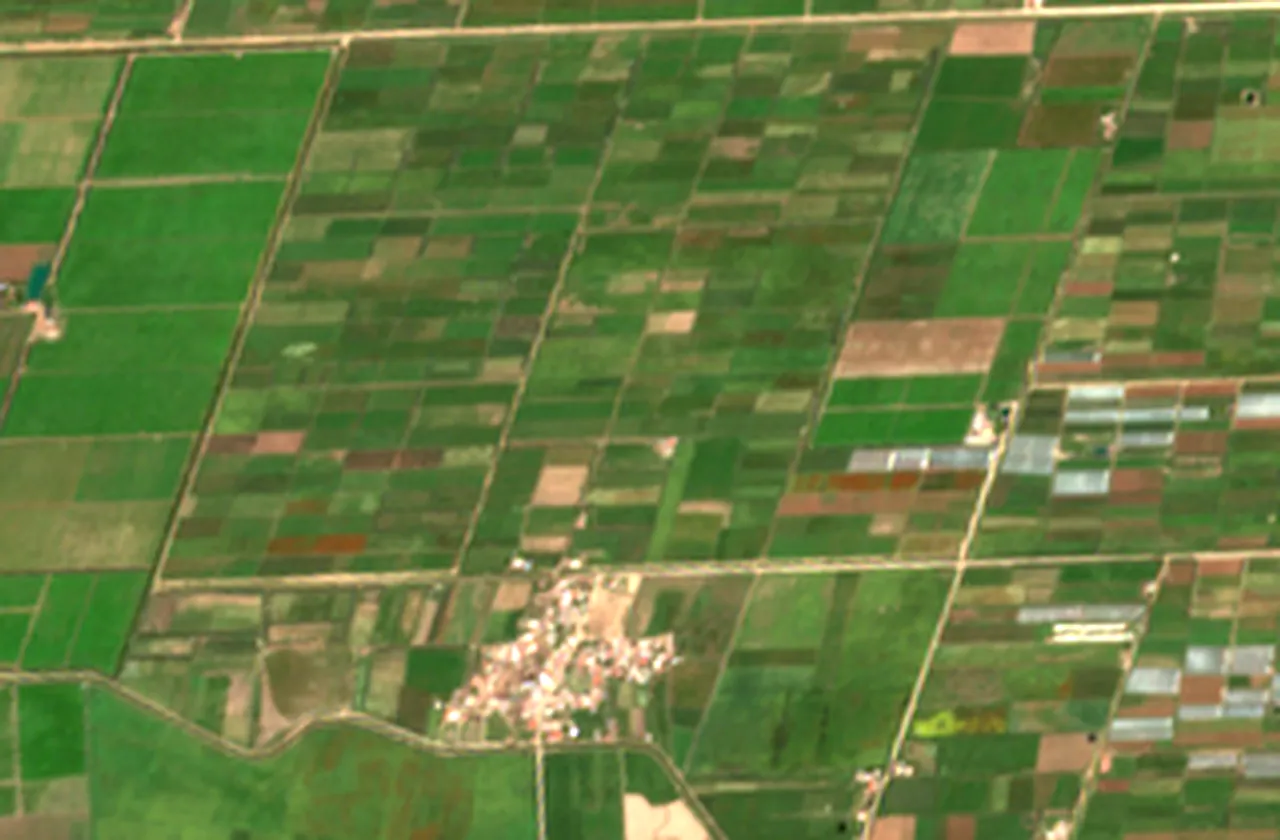
Open the parcel-season.
One parcel, one season: sowing, top-dressing, water turns, field photos sent from Andika and the satellite record, in the order they happened.
- 04
Read its likely range.
The forecast for that parcel is a range: a low, a middle and a high harvest outcome, with the date it was last revised.
A likely range,
not a single number.
The line is how the crop has grown so far. From today the band opens out to harvest: the outcomes the season can still reach. Change one assumption and the band moves with it.
- Grown so far
- Middle path
- Likely range
- Usual spring, for comparison
P10, P50 and P90 name the low, middle and high outcomes: one chance in ten of ending below the low, one in ten of ending above the high.
Every revision
keeps its date.
The range is revised as the season fills in. Each version stays on file with what was new since the one before, so a reader can see why the outlook moved.
Dated, always.
Each range carries the date of the last clear image and of the last field record behind it.
Read at a crop stage.
A range at tillering and a range at heading are not the same promise, so the stage sits next to the numbers.
Assumptions in plain sight.
Rainfall, water turns and sowing date are stated with every range, so any reader can see what it rests on.